Stay informed. Sign up for CC’s newsletter.
Event Details
Registration is closed for this Sept. 21 event. Sign up for our newsletter to receive updates about this event and more!
Open Source. Digital Sovereignty. The Open Stack. What does it all mean?
Open source and digital sovereignty are closely related. While open source does not suffice for digital sovereignty, it is a critical building block. While definitions of digital sovereignty vary, it is generally accepted that digital sovereignty at the national level entails the ability to independently control everything from infrastructure to hardware to software to data.
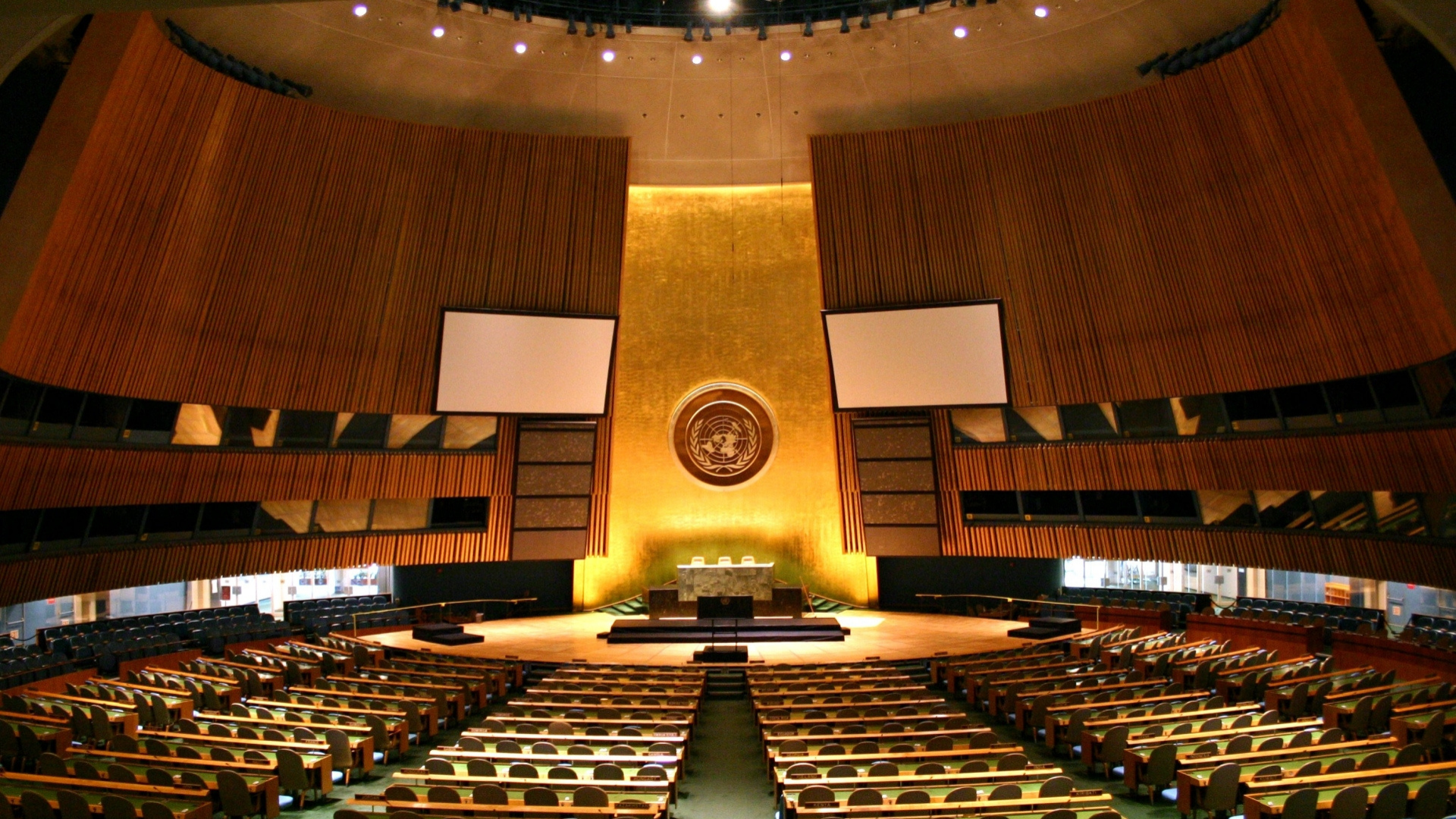
During a day of conversation on the margins of UNGA 81, leading civil society and digital rights organizations will come together to examine balancing aspirations for digital sovereignty with open collaboration, discussing questions such as:
- Where are open practices complementary, and where is there friction?
- How does this vary at different levels of the open stack – from infrastructure to software to data?
- What can we learn from conceptions of sovereignty at the individual and community level?
- How does Middle Power Collaboration enter the equation?
We will continue to update our agenda as more speakers are confirmed.
Session overview:
Open Collaboration / Open Sovereignty (Panel)
Digital sovereignty in the AI era cannot be realized through isolation or full-stack self-sufficiency. The cost of compute, hardware, and sovereign AI architectures makes it structurally impossible to own and control every layer of the stack independently. True digital agency instead comes through strategic partnership: shared open-source architectures, joint compute models, and standardized data protocols.
This session brings together leaders to explore how middle powers can collaborate to avoid vendor lock-in and build a resilient, open tech stack, from scaling shared protocols like X-Road and MOSIP to pooled financing that mutualizes infrastructure costs. The panel will also weigh which multilateral forum (UN, G20, or G7) is best positioned to host ongoing technical governance and collaborative infrastructure development.
- Panelists include:
- Vidisha Mishra, Director of Global Outreach and Policy at Global Solutions Initiative (moderator)
- Liv Marte Nordhaug, CEO of the Digital Public Goods Alliance
- Mitchell Baker, Co-Founder of the Mozilla Project
- Paul Samson, President of the Centre for International Governance Innovation (CIGI)
Open Hardware (Lightning Talk)
Open hardware can help make AI systems more inspectable, adaptable, repairable, and interoperable. This lightning talk situates open hardware as one layer of a broader sovereignty strategy: a tool for expanding technical choice and auditability, not a promise that every country or community can manufacture or operate an entire computing stack on its own. It clarifies what open hardware can realistically deliver, including greater technical choice, auditability, and resistance to vendor lock-in, and where its limits lie against the reality of concentrated chip and cloud supply chains.
-
- Michael Weinberg, Executive Director of the Engelberg Center on Innovation Law and Policy at the NYU School of Law
Open Infrastructure (Panel)
As AI grows, so does dependence on the companies and institutions that control the infrastructure on which it runs. “Public” infrastructure can mean government-built systems or open, cross-border infrastructure maintained by nonprofit, research, commercial, or volunteer communities. This panel will discuss how these models intersect with sovereignty, drawing on analogies like natural food webs to examine when openness and shared standards genuinely reduce lock-in, what dependencies persist across cloud, compute, and skills, and how public institutions can fund infrastructure that’s adaptable and accountable without every country rebuilding from scratch.
- Panelists include:
- Monica Granados, Director of Open Science at Creative Commons
- Kaitlin Thaney, Executive Director of Invest in Open Infrastructure
- Jan Gerlach, Director of Public Policy at Wikimedia Foundation
- Ellie Bertani, President & CEO of GitLab Foundation
- Yael Elmatad, VP of Engineering at Open Athena
Open Data (Panel)
During July’s UN Global Dialogue on AI Governance, Secretary-General Guterres mentioned not letting “the digital divide harden into an AI divide.” This panel will explore the space between “open everything” and “close everything,” asking what meaningful access, governance, and participation require in practice. AI has changed the scale and stakes of data reuse. Material can now be ingested, combined, and commercialized far beyond its original context, prompting some communities and rightsholders to reconsider open access. But broad retrenchment carries its own costs. This includes a shrinking commons, disadvantaged researchers, and data access limited to those who can negotiate private deals. This panel explores the space between “open everything” and “close everything” and what meaningful access, governance, and participation require.
- Panelists include:
- Angela Oduor Lungati, Executive Director at Ushahidi (moderator)
- E.M. Lewis-Jong, Founder and CEO at Mozilla Data Collective
- Chris Lewis, President/CEO of Public Knowledge
- Jane Anderson, Co-Founder of Local Contexts & Professor at New York University
Open Source Software (Panel)
Open source has repeatedly reshaped technology markets by lowering barriers to entry, reducing rent extraction, and enabling innovation beyond what proprietary licensing allows. But open source code alone doesn’t guarantee competition, “sovereingnty,” or decentralization. A project can also be open while the surrounding market remains concentrated in cloud, compute, distribution, data, or complementary services, having little ultimate impact on the incentives of the actors in the market or the competitive dynamics. These tensions are especially visible in AI, where “open weights” are often treated as synonymous with open source even when other ingredients needed to study, reproduce, or operate the system remain unavailable. This panel examines open source as a market-shaping tool, asking what complementary conditions (architecture, protocols, procurement, governance) make it effective, and what outcomes are actually feasible in AI markets.
- Panelists include:
- Ilan Strauss, AI Disclosures Project (moderator)
- Duane O’Brien, Executive Director at Open Source Initiative
- Amanda Casari, Manager at Google Open Source
- Madiha Zahrah Choksi, Columbia University
- Ben Moskowitz, Founder of Two Planets
General remarks
-
- Tomicah Tillemann, President of Project Liberty
- Anna Tumadóttir, CEO of Creative Commons
Doors will open at 9:30 am. Programming runs from 10 am–3 pm with a midday lunch break.
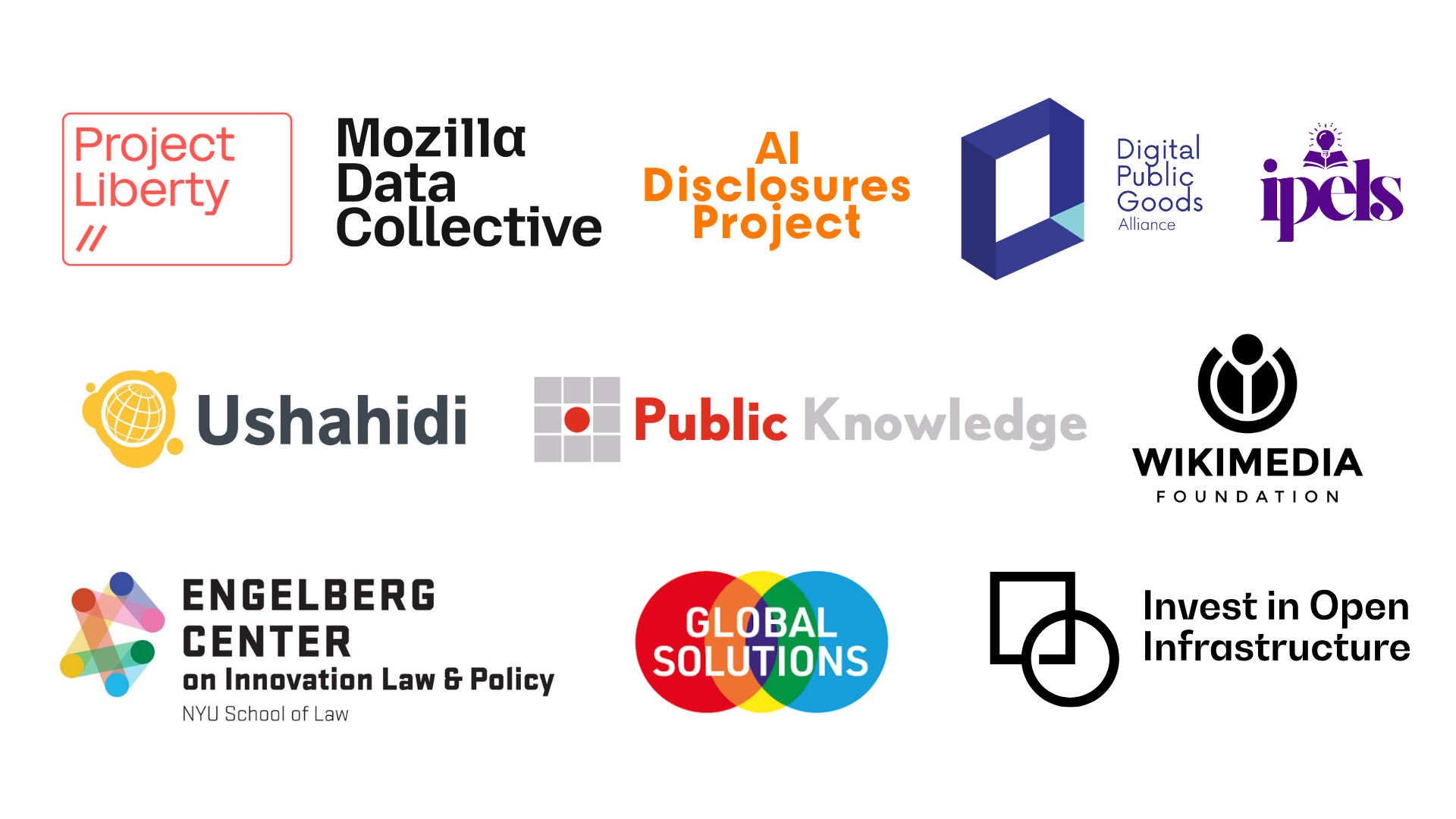
Co-Organizers
Thank you to our event sponsor, Siegel Family Endowment!
This event is part of the Road to Geneva program, leading up to the 2027 Geneva AI Summit.